





Equipment portfolio
AIM Solder
Solder materials for electronics assembly.
AIM produces advanced solder products — pastes, liquid and paste fluxes, solid and cored wire, bar solder and a broad range of alloys — for SMT, wave soldering, hand soldering and specialty applications.
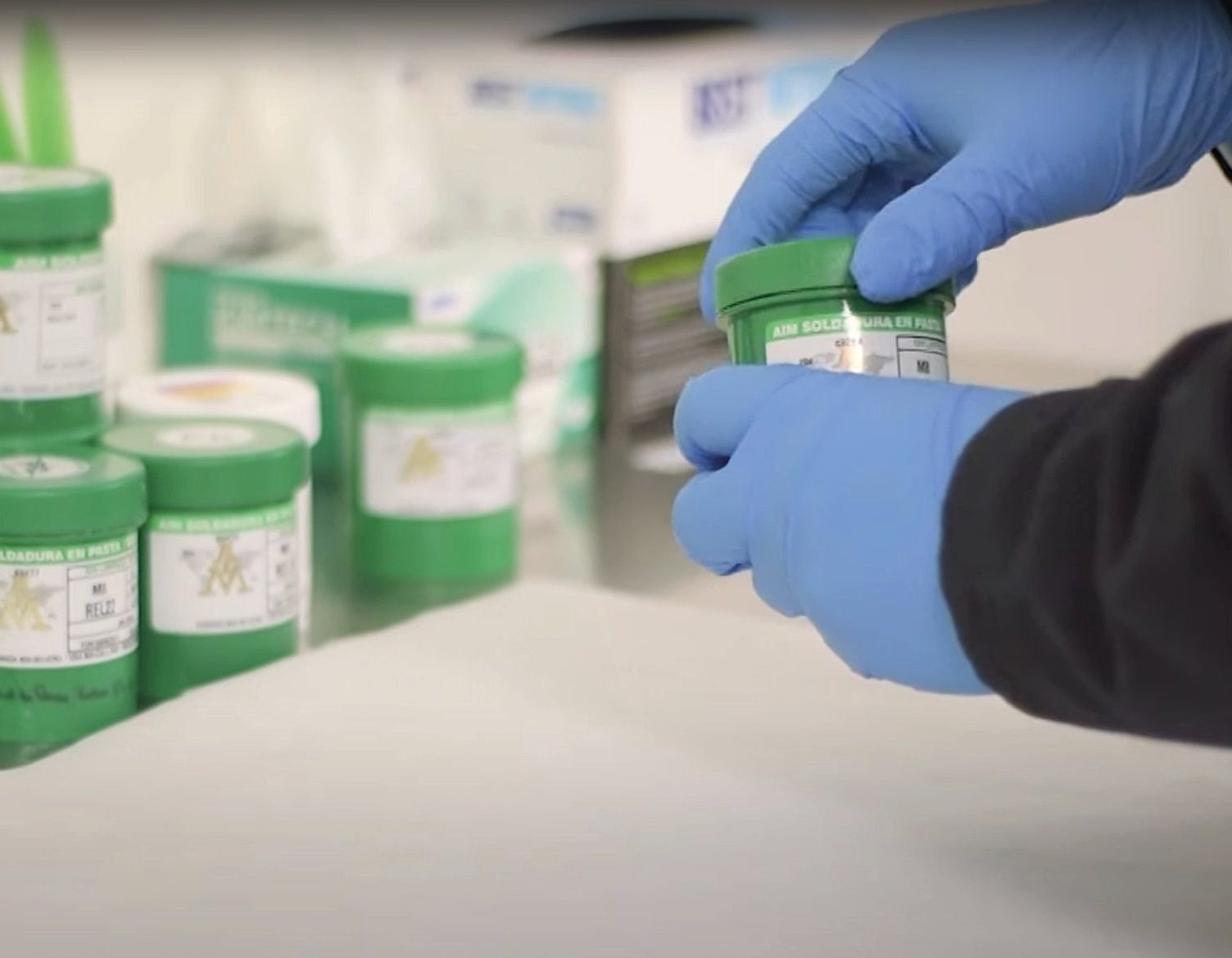
Match solder alloy and flux chemistry to deposition, thermal processing, cleaning and reliability needs.
Solutions
- Solder materials
AIM Solder · 01 / 01
Solder materials
Select alloy, flux and deposition method together.
Available in no-clean, water-soluble and RMA or rosin-based chemistries — matched to your process and reliability requirements.
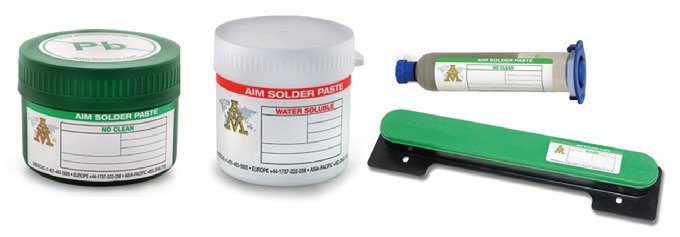
Solder pastes
For printing, dispensing and jetting
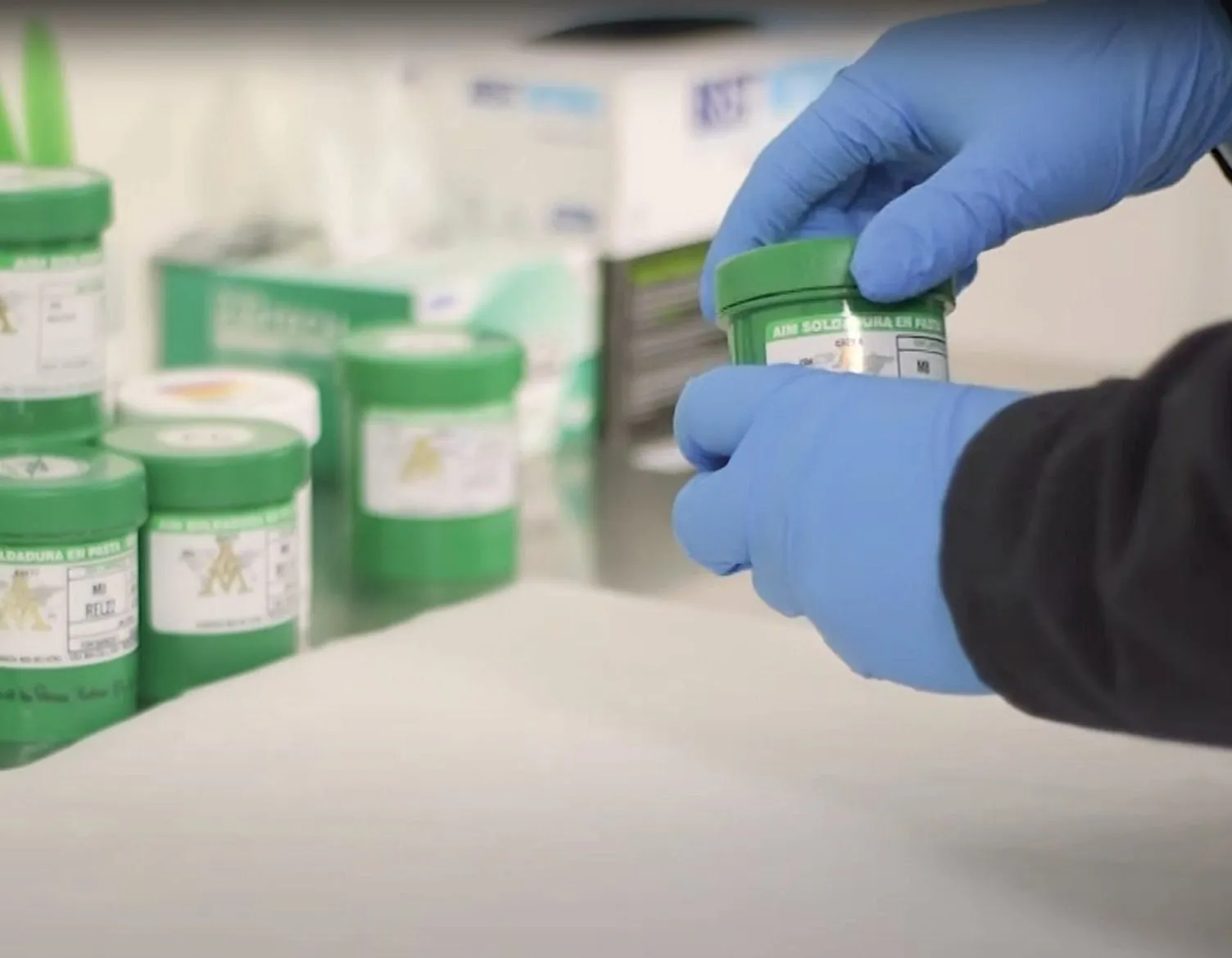
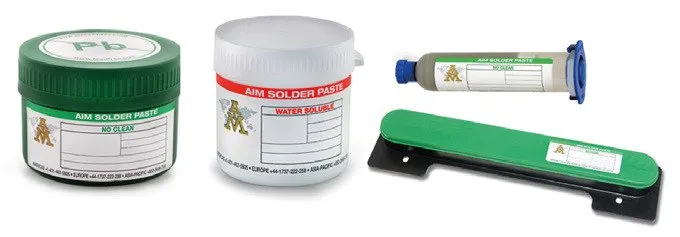
AIM offers no-clean, water-soluble and RMA solder-paste formulations, with lead-free and leaded alloys and grade-specific powder/deposition options. Select the formulation for printing, dispensing or jetting and validate the reflow process.
View product online- No-clean, water-soluble and RMA formulations
- Halogen-free and lead-free options
- Choose alloy, flux formulation and powder size together.
- Printing, dispensing and jetting capabilities are grade-specific.
Applications
- Print solder deposits through a stencil before SMT placement and reflow.
How do I choose a paste for fine apertures?
Compare aperture geometry and stencil thickness with the grade’s powder size and documented print capability. AIM identifies T4 as standard for H10. Confirm other powder sizes when ordering. Verify transfer on the smallest production aperture.
Can the same paste be dispensed from a syringe?
AIM identifies dispensable formulations in its selection table. Match the dispensing method, alloy and powder to the exact grade before setting up the valve.
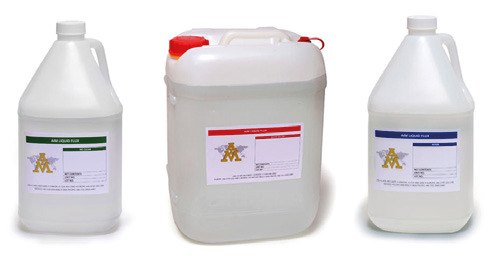
Liquid & paste fluxes
A variety of formulations and packaging
No-clean, water-soluble and rosin-based flux formulations serve wave, selective and rework applications according to the exact grade.
View product online- The manufacturer compares grades for wave, selective and rework soldering.
- No-clean, water-soluble and rosin chemistries have different residue-management requirements.
Applications
- Prepare through-hole joints for wave or selective soldering with a compatible liquid flux.
Can a wave flux be used in selective soldering?
Check the application column for the exact grade. AIM lists WS715M for wave and selective soldering. Verify wetting and flux coverage on the intended board.
How should the line handle flux residue?
Use the grade’s cleaning instructions. For example, AIM specifies a deionized-water wash for WS715M residues. Include washing and drying in the process qualification.
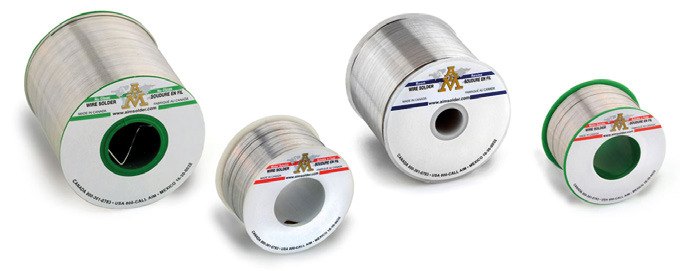
Solid & cored wire
Solid and flux-cored formats
AIM supplies solid and cored solder wire in different alloys and flux chemistries, including products for hand and robotic soldering. Specify the exact grade, diameter, core content and spool.
View product online- AIM lists wire grades for hand and robotic soldering; specify the exact alloy and core formulation.
- Alloy and flux formulation must match the soldering process.
Applications
- Feed solder to a hand iron for connector installation, touch-up or repair.
What is the difference between solid and cored wire?
Cored wire delivers flux inside the wire as it melts. Solid wire supplies alloy alone. Specify how the joint will receive flux when choosing between them.
What should I specify for repeated robotic joints?
Specify wire diameter, alloy, core and feeder compatibility. Check that AIM lists the formulation for robotic use and test tip wetting and residue with the production feed cycle.
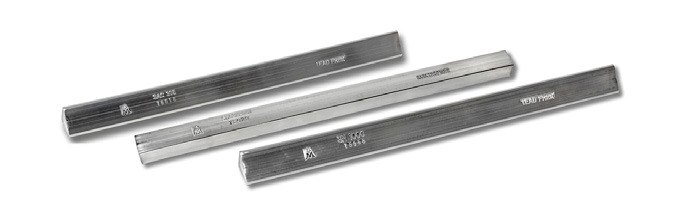
Bar solder & alloys
For wave and selective soldering
A broad range of alloys for SMT, wave soldering, hand soldering and specialty applications.
View product online- Electropure processing targets contaminants and dissolved oxides in bar solder.
- Evaluate pot chemistry and dross generation under your own operating conditions.
Applications
- Charge or replenish a wave or selective solder pot with the specified alloy.
Which alloy should I order to top up a pot?
Identify the alloy already in the bath and the composition required by the assembly. AIM lists bars in multiple alloy families with different melting ranges.
Does every lead-free bar have the same melting point?
AIM lists 227 °C for SN100C and a 208–215 °C melting range for REL61. Set the pot using the process guidance for the selected alloy and equipment.
Applications & selection
Paste, liquid/paste flux, wire and bar serve different assembly steps. Select the alloy and flux system together, then verify the complete process rather than treating one chemistry designation as approval for every assembly.
Where it fits
- SMT printing, dispensing and jetting
- Wave and selective soldering
- Manual/robotic soldering and rework
What to consider when selecting
- For paste, provide minimum aperture and area ratio, deposition method, component pitch and thermal limits; powder size and formulation must match the process.
- For flux or wire, specify application method and required residue management. Compare the exact grade's data sheet rather than assuming all no-clean or water-soluble grades behave alike.
- For bar solder, review pot alloy, replenishment practice and contamination analysis alongside flux and thermal settings.
Common questions
Can the same paste be printed and jetted?
AIM offers jetting-specific solder paste as well as other paste formulations. Check the exact grade and deposition method; alloy compatibility alone does not establish jetting suitability.
How do I select a flux for selective soldering?
Use the flux selection table to shortlist grades specifically listed for selective soldering, then review preheat, application and residue requirements using the product data sheet.
What information is needed to order solder wire?
Specify alloy, diameter, flux chemistry/core content and spool format, plus whether the application is hand or robotic soldering. Select the exact grade against its technical data sheet.
Documentation & references
Images illustrate products or families; they do not establish the revision or accessories of quoted equipment. Capabilities and options depend on configuration and process conditions. Confirm requirements with an applications engineer.
- Solder-paste formulations and powder-size referenceshttps://www.aimsolder.com/aimsolderproducts/solder-paste/
- Liquid and paste flux selection guidehttps://www.aimsolder.com/aimsolderproducts/liquid-flux-and-paste-flux/
- Solid and cored wirehttps://www.aimsolder.com/aimsolderproducts/solder-wire/
- Alloys and bar solderhttps://www.aimsolder.com/aimsolderproducts/alloys-bar-solder/
- AIM H10 solder pastehttps://www.aimsolder.com/products/h10-no-clean-solder-paste/
- AIM WS715M fluxhttps://www.aimsolder.com/products/ws715m-water-soluble-liquid-flux/
- AIM REL61 alloyhttps://www.aimsolder.com/products/rel61-lead-free-solder-alloy/